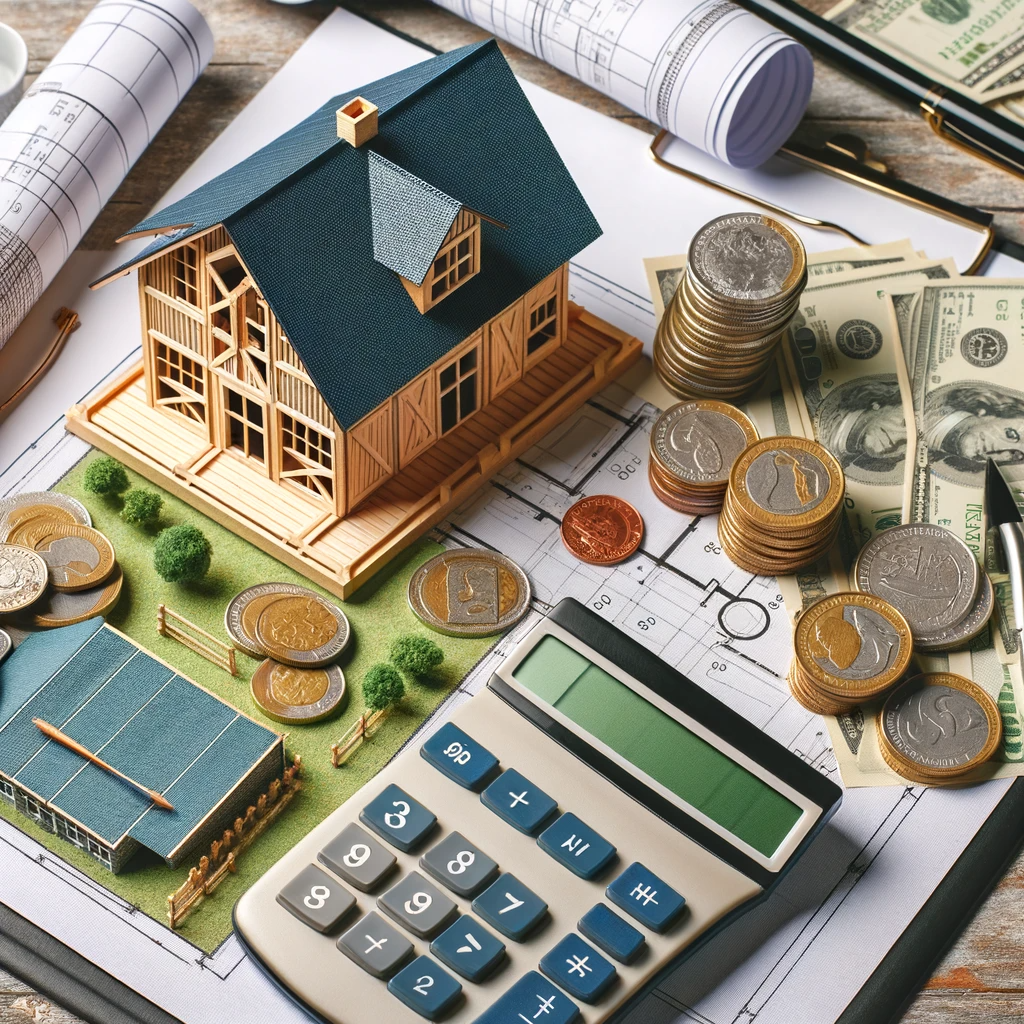
The Cost Conundrum: Budgeting for Your Barn Conversion
December 31, 2023by Clive SanhamBarn Conversion0
Embarking on a barn conversion project is an exciting prospect, offering the opportunity to create a bespoke home brimming with character. However, it’s also a journey fraught with financial intricacies. Understanding and effectively budgeting for the costs involved is crucial in transforming your vision into reality without unpleasant surprises.
Initial Costs: Purchase and Surveys: The first step in a barn conversion is often purchasing the barn itself. Prices vary significantly depending on location, size, and condition. Once purchased, you’ll need comprehensive surveys to assess the structure’s condition, including checks for stability, presence of hazardous materials, and potential habitat for protected species.
Planning and Professional Fees: Engaging professionals such as architects, surveyors, and possibly a planning consultant is essential for a successful conversion. Their fees, along with the cost of obtaining planning permission and building regulations approval, can add significantly to your budget.
Construction Costs: The bulk of your budget will go into the actual conversion work. This includes structural work to make the building safe and habitable, installing utilities, insulation, and fitting out the interior. Costs vary widely based on the level of finish and complexity of the project. It’s common practice to expect a range of £1,000 – £2,000 per square meter for the conversion, but this can be higher in areas with higher labor and material costs or if the building requires extensive structural work.
Unforeseen Expenses: Almost every barn conversion uncovers unexpected challenges once work begins, such as structural surprises, additional work required to comply with building regulations, or delays due to weather. It’s wise to include a contingency of at least 10-20% of your total budget for these unforeseen expenses.
Eco-friendly Upgrades: Many owners choose to integrate sustainable technologies such as solar panels, heat pumps, or biomass boilers into their barn conversions. While these can reduce long-term running costs, they require an upfront investment that should be factored into your budget.
Interior and Exterior Finishing: The final look of your barn conversion will significantly impact the cost. High-end finishes and bespoke features like custom joinery or unique architectural elements will increase your budget. Don’t forget landscaping and external works, which can be substantial, especially if the barn is in a rural area and requires new access roads or significant landscaping.
Running Costs and Insurance: Once converted, the barn will incur regular running costs, including utilities, maintenance, and insurance. It’s important to consider these ongoing expenses in your overall budget.
Grants and Funding: Investigate if there are any grants, low-interest loans, or tax relief options available for barn conversions in your area, particularly if you are undertaking energy efficiency improvements or restoring a listed building.
Budgeting for a barn conversion is a complex task, requiring careful planning and consideration of both visible and hidden costs. By understanding and preparing for these expenses, you can ensure that your project stays on track and results in a home that is both beautiful and financially sustainable.