Comparing the Costs of Moving Home with Building an Extension
February 22, 2024by Clive SanhamConstructionBuild0

In the journey of homeownership, one significant crossroad often encountered is the choice between moving to a new home or expanding the current living space through an extension. This decision is not merely financial but also emotional, affecting the fabric of daily life. The crux of the matter lies in understanding the cost implications, the impact on lifestyle, and the long-term benefits each option presents. With property prices and the desire for bespoke living spaces evolving, this comparison has never been more pertinent.
Understanding the Basics
What is Home Moving?
Home moving is the process of leaving one’s current residence and settling into another. It encompasses finding a new property, dealing with estate agents, managing the sale of the current home, and the logistical challenges of relocating belongings and family members.
What is Building an Extension?
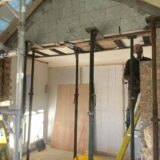
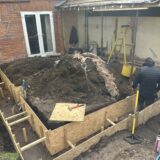
An extension is a construction project aimed at increasing the size and functionality of an existing home. It can range from adding a single room to expanding multiple areas of the house. This option allows homeowners to customise their living space to their specific needs without the upheaval of moving.
The Financial Implications of Moving Home
The journey to a new home is fraught with various expenses:
- Estate Agent Fees: Typically ranging from 1% to 3% of the sale price, these fees can significantly impact the overall cost of moving.
- Stamp Duty: This tax varies depending on the property’s purchase price and can be a substantial additional cost.
- Removal Costs: Depending on the distance and amount of belongings, this can vary widely.
- Legal Fees: Conveyancing fees are necessary for both selling and buying property, adding to the financial burden.
The Costs Associated with Building an Extension
Extensions come with their own set of costs:
- Planning Permission Fees: Necessary for legal compliance, these fees vary by locality.
- Architectural Design Fees: Essential for ensuring the extension meets both homeowner needs and regulatory standards.
- Construction Costs: The most significant expense, including materials and labour.
- Decoration and Finishing Costs: Often overlooked, these can add up, affecting the project’s total cost.
Comparative Analysis
Comparing moving to building an extension involves considering initial outlays, potential increases in property value, and the impact on quality of life. While moving offers a fresh start in a new location, extensions provide bespoke improvements to existing spaces.
Pros and Cons of Moving Home
Moving home can refresh life’s circumstances but comes with downsides such as the stress of relocation and the challenge of acclimatising to a new community.
Pros and Cons of Building an Extension
Extensions offer customisation and the comfort of staying put but require dealing with construction disruptions and potential regulatory hurdles.
Financial Planning for Your Choice
Careful budgeting and financial planning are vital, regardless of the path chosen. Exploring financing options, saving strategies, and potential return on investment can guide decision-making.
Legal and Regulatory Considerations
Understanding the legalities of planning permissions, building regulations, and the impact on property insurance is crucial for extensions, while moving requires legal support for transactions.
The Role of Professionals
The expertise of estate agents, architects, and builders is invaluable, offering guidance, ensuring compliance, and managing project execution.
Impact on Lifestyle and Well-being
Each option impacts daily life, from the disruption of moving to the construction phase of extensions. However, both aim to enhance living conditions and personal satisfaction.
Environmental Considerations
Sustainability is a growing concern, with moving and extending offering different challenges and opportunities for eco-friendly living.
Future-proofing Your Home
Adapting a home to future needs, whether through moving or extending, can enhance its functionality and market value, catering to changing family dynamics or work-from-home trends.
FAQs
- Which is more cost-effective in the long run, moving home or building an extension? The cost-effectiveness of moving versus extending varies based on individual circumstances, including the current and future market value of properties, the scale of the desired extension, and personal lifestyle preferences. Building an extension can enhance the value of your current home and tailor it to your precise needs, potentially offering better long-term value if you plan to stay for many years. Conversely, moving might be more cost-effective if the new home better meets your needs without the need for immediate further investment.
- How do I budget for building an extension? Budgeting for an extension requires a detailed plan that includes all potential costs: planning permission, architectural design, construction, and finishing costs. It’s wise to also include a contingency budget of around 10-20% for unforeseen expenses. Obtaining quotes from several contractors and consulting with an architect can provide a realistic cost framework. Additionally, exploring financing options, such as extending your mortgage or a home improvement loan, can be beneficial.
- Can building an extension increase my property value more than moving? Yes, building a well-designed extension can significantly increase your property’s value, often more than the cost of the project itself, especially in high-demand areas where additional living space is at a premium. However, the actual increase in value depends on the type of extension, the quality of work, and current market trends. Consulting with a local estate agent can offer insights into how much value an extension could add to your home.
- What are the main legal considerations when deciding between moving and extending? For moving, the main legal considerations include understanding the stamp duty implications, the conveyancing process, and ensuring all property transactions are legally sound. For extensions, it’s crucial to check whether you need planning permission, comply with building regulations, and understand any potential impact on your home insurance. Engaging a solicitor for moving or an architect for extensions can help navigate these legal waters.
- How long does it typically take to complete an extension compared to moving home? The timeframe for completing an extension can vary widely, from a few months for a simple single-story extension to over a year for more complex projects requiring planning permission. Factors affecting the timeline include the design phase, obtaining permissions, and the construction work itself. Moving home can also vary in duration, from a few months to much longer, depending on the property market, finding a new home, and the selling process of your current home. Both processes require patience and flexibility.
Conclusion
The decision between moving and extending is multifaceted, requiring a careful balance of financial, emotional, and practical considerations. Ultimately, the right choice depends on individual circumstances, goals, and visions for the future.