How to Manage Waste During a Building Project: A Comprehensive Guide
January 22, 2024by Clive SanhamConstructionBuild0
Introduction to Building Project Waste Management
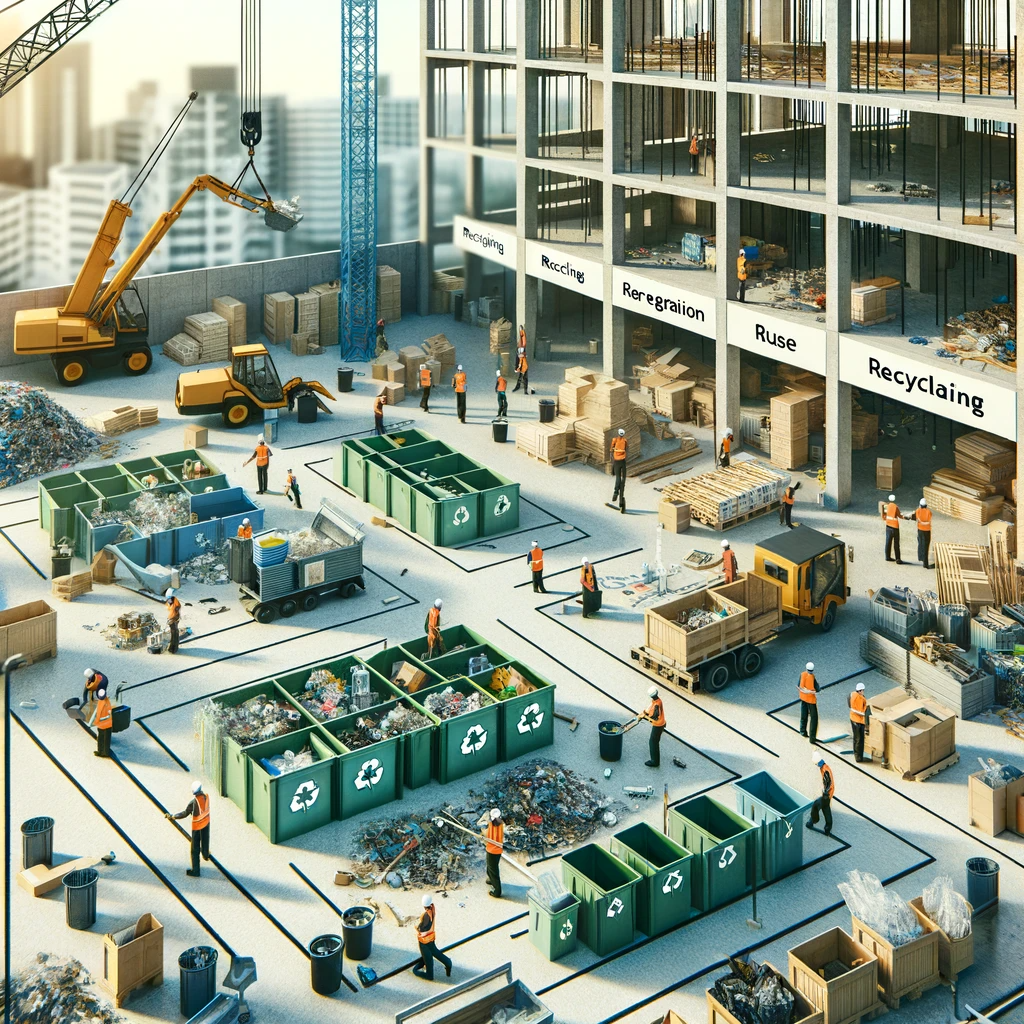
Waste management in construction projects is a critical aspect that demands attention. This article delves into the significance of efficient waste management and explores current trends shaping the industry. We aim to provide insightful guidance on implementing practical and sustainable waste management strategies throughout the different phases of a building project.
Pre-Construction Phase: Planning for Waste Reduction
Before the first brick is laid, it’s crucial to lay the foundation for waste reduction. This section highlights the importance of selecting sustainable materials and introduces strategies for minimizing waste right from the planning stage.
During Construction: Effective Waste Management Practices
Construction sites are often bustling with activity, making waste management a challenging task. Here, we explore on-site techniques for segregating and managing waste effectively, ensuring a clean and safe environment.
Innovative Recycling Techniques in Building Projects
Recycling is not just a buzzword; it’s a necessity in modern construction. We discuss innovative recycling methods for construction materials and the environmental benefits they bring.
Legal and Environmental Regulations Governing Construction Waste
Staying compliant with legal standards is non-negotiable. This section covers the legal frameworks and environmental regulations relevant to construction waste management.
Utilising Technology for Efficient Waste Management
Technology can be a game-changer in managing construction waste. We explore various software and applications that help track and reduce waste on building sites.
The Role of Contractors and Workers in Waste Management
The human element in waste management is vital. We discuss how training and responsible practices among contractors and workers can make a significant difference.
Case Studies: Successful Waste Management in Construction
Learning from success stories is always inspiring. This section presents case studies of effective waste management practices in the construction industry.
The Cost Implications of Waste Management in Construction
Effective waste management is not just environmentally sound but also financially prudent. We analyze the cost implications and long-term financial benefits of implementing waste management strategies.
Reusing Construction Materials: A Step Towards Sustainability
Reusing materials is a cornerstone of sustainable construction. This segment details methods and impacts of reusing materials in building projects.
Dealing with Hazardous Construction Waste
Construction projects often involve hazardous materials. We discuss how to identify, handle, and dispose of these materials safely.
Community Involvement in Construction Waste Management
The role of the community in waste management is often underestimated. Here, we explore how engaging local communities can enhance waste management practices.
Challenges in Construction Waste Management
No process is without its challenges, and waste management in construction is no exception. We address common obstacles and offer solutions to overcome them.
Future Trends in Construction Waste Management
Looking ahead, we discuss upcoming innovations and predict future trends in the field of construction waste management.
How to Manage Waste During a Building Project
In this comprehensive section, we outline effective strategies and best practices for managing waste during a building project.
FAQs: Common Questions About Construction Waste Management
We answer frequently asked questions, providing clarity and additional insights into construction waste management.
Conclusion: Embracing a Sustainable Future in Construction
To conclude, we summarize key takeaways and encourage readers to adopt sustainable practices in their construction projects.
FAQ’s
- What are the most effective strategies for reducing waste on construction sites? The most effective strategies include careful planning and design to minimise material usage, selecting sustainable and recyclable materials, implementing on-site segregation of waste, reusing materials wherever possible, and ensuring all workers are trained in waste reduction practices.
- How can technology aid in construction waste management? Technology can aid in construction waste management through tools like waste tracking software, which helps monitor and manage waste streams. Additionally, digital blueprints and 3D modelling can optimise material usage, while mobile apps can facilitate efficient recycling and disposal processes.
- What are the environmental benefits of recycling construction materials? Recycling construction materials significantly reduces the need for virgin resources, lowers greenhouse gas emissions by minimising the energy-intensive production of new materials, and decreases landfill waste. It also helps in conserving natural resources like water and minerals.
- How can contractors and workers contribute to effective waste management? Contractors and workers can contribute by following best practices for waste reduction, segregation, and recycling. Regular training and awareness programs can help them stay informed about sustainable practices. Their active participation in recycling and reusing materials on-site is also crucial.
- What are the financial implications of implementing waste management strategies in construction? While there might be initial costs in setting up waste management strategies, in the long term, these practices often lead to financial savings through the reduced purchase of new materials, lower waste disposal fees, and potential revenues from selling recyclable materials.
- How does community involvement enhance construction waste management? Community involvement can enhance waste management by fostering a collaborative approach towards sustainable practices. It can lead to innovative local recycling initiatives, community-based waste reduction programs, and increased awareness and support for environmentally friendly construction methods.