Preserving the Past: The Journey of Historical Building Restoration in North Norfolk
March 5, 2024by Clive SanhamConstructionBarn ConversionBuildPlanning0
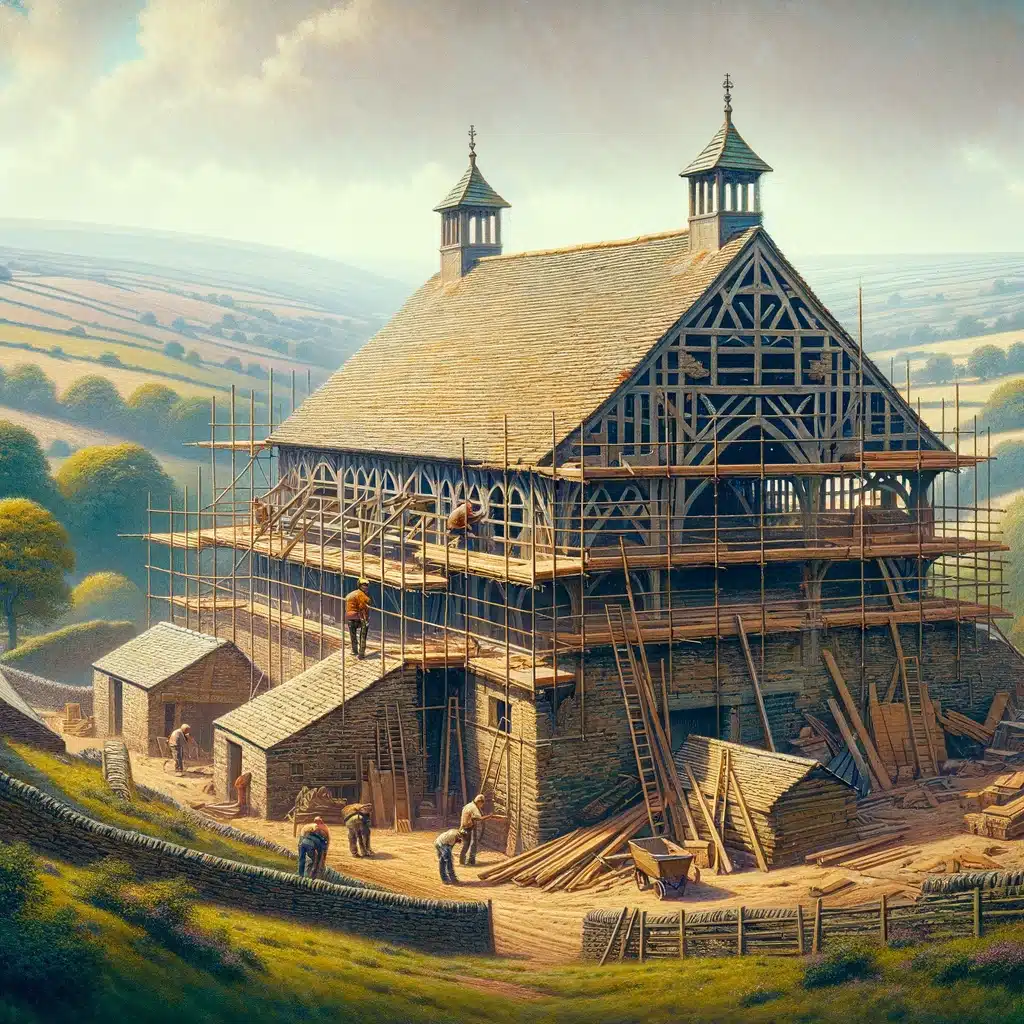
North Norfolk is a region steeped in history, its landscape punctuated by buildings that whisper tales of the past. These structures, ranging from majestic manors to quaint cottages, embody the architectural lineage and cultural heritage of the area. The task of restoring and renovating these historical edifices is both a privilege and a challenge, necessitating a delicate balance between preserving the essence of the past and meeting the needs of the present. This exploration delves into the complexities of historical building restoration in North Norfolk, highlighting the hurdles and triumphs faced in ensuring these buildings can continue to tell their stories for generations to come.
Understanding Historical Buildings in North Norfolk
Architectural Heritage of North Norfolk
North Norfolk’s landscape is adorned with historical buildings, each bearing a unique architectural style reflective of its era. From the medieval splendour of its churches to the Victorian elegance of its market towns, these buildings serve as a living museum, offering insights into the region’s past.
The Value of Preservation
Preserving these historical structures is crucial, not only for their aesthetic and historical significance but also for their role in bolstering local identity, providing educational resources, and contributing to the economy through tourism and increased property values.
The Challenges of Restoration
Navigating Local Regulations
Restoring a historical building in North Norfolk is a meticulously regulated process, governed by local preservation laws designed to protect the area’s heritage. Securing the necessary permissions requires a deep understanding of these regulations and a commitment to maintaining the building’s historical integrity.
Environmental Considerations
Restoration projects must also consider their environmental impact. This includes managing construction waste and ensuring that any modernisation efforts, such as insulation or heating upgrades, are in harmony with the building’s character and the surrounding landscape.
Sourcing Authentic Materials
One of the most significant challenges is finding and using materials that are true to the building’s original construction, a task that often requires extensive research and the skills of specialist craftsmen.
Balancing Modern Needs with Historical Integrity
Integrating modern amenities without compromising the historical essence of a building is a delicate task. This balance is crucial for ensuring the building remains functional and relevant in the contemporary world.
The Restoration Process: A Step-by-Step Guide
Initial Assessment and Planning
A thorough inspection by experts, including historians, architects, and structural engineers, is the first step. This assessment forms the foundation of the restoration plan, outlining the work required to preserve the building’s integrity while meeting modern standards.
Securing Permissions
Navigating the bureaucratic landscape of permissions and regulations is a critical step. This involves detailed consultations with local authorities and, often, with heritage organisations.
The Restoration Work
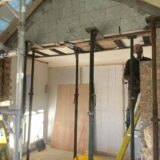
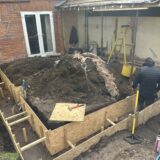
The actual restoration work is a phased process, starting with structural stabilisations and moving on to the meticulous restoration of architectural details. Companies like www.stellarconstruction.co.uk play a crucial role in this phase, bringing expertise in blending traditional craftsmanship with modern construction techniques to ensure a faithful and sustainable restoration.
Case Studies: Success Stories from North Norfolk
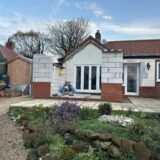
Through the restoration of notable buildings in North Norfolk, such as the Malthouse Farm Barn project we witness the transformative power of restoration. These projects, led by experienced firms like Stellar Construction, not only revive the buildings’ aesthetics but also their role in the community, demonstrating the tangible benefits of preservation.
The Rewards of Restoration
Enhanced Community Identity
Restored historical buildings strengthen community identity and pride, serving as tangible links to the past and landmarks of local heritage.
Educational Opportunities
These buildings provide immersive educational opportunities, allowing people to experience history firsthand.
Economic Benefits
Restoration projects can drive economic growth by attracting tourism, increasing property values, and encouraging local investment.
Best Practices for Successful Restoration
Collaborating with restoration experts, leveraging modern technology for precision and efficiency, and securing funding are key components of a successful project. Organisations such as Stellar Construction (www.stellarconstruction.co.uk) exemplify how combining traditional skills with modern methods can lead to outstanding results.
Future Directions in Historical Building Restoration
Innovative preservation techniques and materials, along with a growing public interest in heritage conservation, are shaping the future of historical building restoration. Community involvement and education remain vital in fostering a culture of preservation.
FAQs
- Q: What are the key considerations when restoring a historical building?
- A: Key considerations include ensuring the building’s structural integrity, sourcing authentic materials, adhering to local preservation regulations, and balancing the need to maintain historical accuracy with modern functionality.
- Q: How do I find out if my property is listed or located in a conservation area?
- A: You can check with the North Norfolk District Council or visit their website for a map and list of designated heritage assets, including listed buildings and conservation areas.
- Q: What grants are available for historical building restoration in North Norfolk?
- A: Various grants may be available from local authorities, heritage organisations like the Heritage Lottery Fund, and specific trusts focused on conservation. It’s essential to research and apply for those for which your project might be eligible.
- Q: Can modern technologies be used in the restoration process?
- A: Yes, modern technologies play a crucial role in restoration, from 3D scanning for structural analysis to using advanced materials for conservation. These technologies can help ensure accuracy and longevity in restoration efforts.
- Q: How long does the permission process take for a historical building restoration?
- A: The duration can vary significantly, depending on the project’s complexity and the specific requirements of local planning authorities. It’s advisable to consult with the council early and provide comprehensive documentation to streamline the process.
- Q: Are there any specific challenges in restoring coastal historical buildings in North Norfolk?
- A: Coastal buildings face unique challenges, including exposure to harsh weather conditions and saltwater, which can accelerate deterioration. Specialised techniques and materials are often required to protect these buildings against such elements.
- Q: How can I ensure the restoration is historically accurate?
- A: Working with specialists in historical restoration, including historians, architects, and craftsmen with experience in traditional techniques, is crucial. Researching historical documents, photographs, and other buildings from the same period can also provide valuable insights.
- Q: What role does the community play in historical building restoration?
- A: Community support can be vital in securing funding, gaining permissions, and ensuring the restored building serves a purpose that benefits the local area. Engaging with the community early and often can foster a sense of ownership and pride in the restoration project.
Conclusion
The restoration of historical buildings in North Norfolk is a journey filled with challenges but also immense rewards. By preserving these architectural treasures, we honour our past, enrich our present, and invest in our future.
Call to Action
Join us in celebrating North Norfolk’s heritage. Explore local restoration projects, share your stories, and stay tuned for our next exploration into the world of preservation.