Sustainable and Stylish: Eco-Friendly Barn Conversion Tips
December 31, 2023by Clive SanhamBarn Conversion0
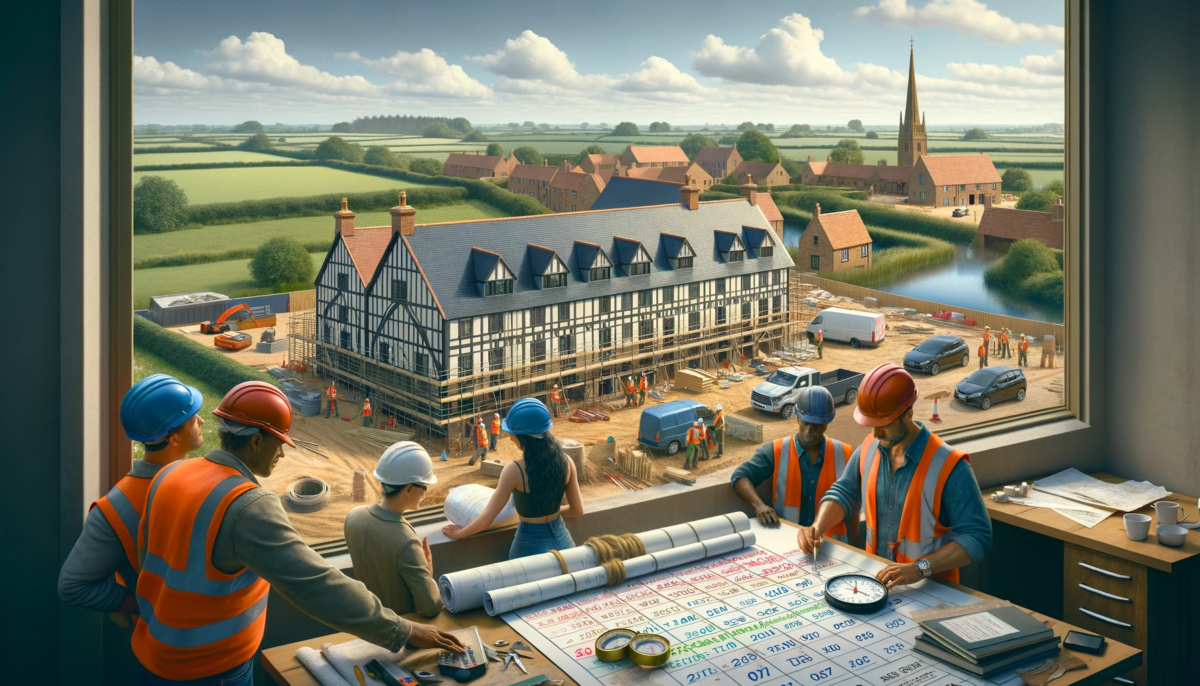
As awareness of environmental impact grows, so does the desire to create homes that are not only beautiful but also beneficial to the earth. Barn conversions offer a unique opportunity to meld historic charm with modern sustainability. This article delves into how to approach your barn conversion with an eco-friendly mindset, ensuring that your new home is as kind to the planet as it is appealing to the eye.
1. Insulation is Key: A well-insulated home is more energy-efficient, keeping heat in during the winter and out during the summer. Consider using natural materials like sheep’s wool, wood fiber, or recycled denim. These materials not only provide excellent insulation but also maintain the breathability of the building, crucial in older structures to prevent dampness.
2. Sustainable Building Materials: Choose materials that are sustainably sourced or recycled. Reclaimed wood, for instance, can be used for flooring, beams, or furniture, adding character while reducing environmental impact. For new materials, look for certifications like FSC (Forest Stewardship Council) to ensure they come from responsibly managed forests.
3. Energy-Efficient Windows: Upgrading to double or triple-glazed windows can significantly improve your home’s thermal efficiency. Look for windows with low-emission coatings and inert gas between the panes to maximize insulation.
4. Renewable Energy Sources: Consider installing solar panels, a ground-source heat pump, or a biomass boiler to reduce reliance on fossil fuels. While the initial investment can be high, renewable energy sources can provide long-term savings and reduce your carbon footprint.
5. Water Conservation: Implement systems to reduce water waste, such as low-flow fixtures in kitchens and bathrooms. Consider setting up a rainwater harvesting system to collect rain for use in the garden or even for flushing toilets.
6. Natural Light and Ventilation: Plan your layout to maximize natural light, reducing the need for artificial lighting. Skylights or solar tubes can brighten central areas of the barn. Proper ventilation is also crucial to maintain air quality and prevent moisture buildup, especially in older structures.
7. Eco-Friendly Paints and Finishes: Traditional paints and finishes can contain high levels of volatile organic compounds (VOCs). Opt for natural or low-VOC options to reduce air pollution and improve indoor air quality.
8. Landscaping with Nature: Consider your outdoor space as an extension of your eco-friendly efforts. Use native plants that require less water and maintenance, and create natural habitats to encourage wildlife.
9. Waste Management: During the conversion process, aim to reduce waste by recycling materials and choosing products with minimal packaging. Plan carefully to avoid over-ordering materials.
10. Seek Expert Advice: Consider consulting with an architect or designer who specializes in sustainable building. They can help ensure that your conversion is as energy-efficient and eco-friendly as possible while still achieving the aesthetic you desire.
A sustainable barn conversion not only reduces your environmental footprint but can also offer savings on energy bills and create a healthier living space. By incorporating these eco-friendly practices and materials, you can ensure that your barn conversion is both stylish and sustainable.