What Good Building Work Looks Like at Every Stage
January 26, 2025by Clive SanhamBuildRepairs0
Good building work is easier to recognise when you know what should happen at each stage. The finished surfaces matter, but the planning, structure, weatherproofing and coordination behind them are just as important.
Stellar Construction manages residential projects across Norfolk, including house extensions, barn conversions, structural alterations, renovations, listed buildings, loft conversions and new homes. This guide explains the practical signs of a well-run project.
1. The scope is clear before work begins
A reliable project starts with a defined scope. Drawings, structural information, the specification and the quotation should describe the work being priced and identify decisions that are still outstanding.
The quotation should explain what is included, what is excluded and where allowances have been used. If a design or material changes, the effect on cost and programme should be agreed before the additional work proceeds. Our builder’s quotation guide explains what homeowners should compare.
2. Site conditions are understood
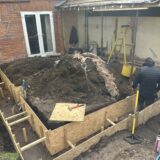
Existing homes and rural buildings often reveal details that could not be confirmed from drawings alone. Access, drainage, ground conditions, neighbouring structures and the condition of the existing fabric can all affect the sequence of work.
A good team raises these issues early and involves the architect, structural engineer or Building Control provider when their input is required. Assumptions should be checked before they become expensive changes.
3. Structural work follows the approved information
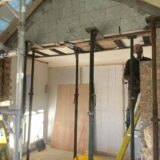
Foundations, load-bearing openings, steelwork, masonry and timber structures must be built in the right order and to the relevant design information. Temporary support and safe sequencing are particularly important when altering an occupied or older property.
Where inspections are required, the work should be ready and accessible at the correct stage. Covering critical details too soon can create avoidable delays and uncertainty.
4. The building is made weather-tight carefully
Roofing, walls, windows, doors, flashings and drainage details protect everything that follows. Junctions between new and existing construction deserve close attention because this is where water, heat loss and cracking problems often begin.
For older and listed buildings, the chosen repair materials must also suit the existing fabric. Modern products are not automatically the right answer for every property.
5. Services and finishes are coordinated
Electrical, plumbing and heating routes need to be agreed before walls and floors are closed. Kitchen layouts, lighting positions, bathroom fittings and joinery details should be checked against how the finished rooms will be used.
Consistent lines, neat junctions and well-prepared surfaces become visible during the finishing stages. Good workmanship also includes protecting completed work while later trades continue around it.
6. Communication remains clear
A homeowner should know who is responsible for decisions and who to contact when a question arises. Meaningful updates should cover progress, choices that are needed, changes and any issue that could affect timing.
Lee Chambers remains directly involved in Stellar Construction projects, providing one accountable point of contact from the initial quotation through to completion.
7. Handover is treated as part of the build
Before completion, the team should review the finished work, resolve outstanding details and provide relevant information about installed products or systems. A clear handover is the final stage of a well-managed project.
See the standard in completed Norfolk projects
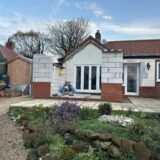
Photographs and build stories provide better evidence than general claims. See a completed lounge extension in Sheringham, the structural work behind a South Walsham extension, a large rear extension in East Ruston and three steel-framed barn conversions in Walcott.
You can also browse some of our completed projects across Norfolk.
Discuss your project
If you are planning work and already have drawings, photographs or an outline brief, send us the project details. You can also call 01692 763300 to discuss the most useful next step.
Page reviewed September 2026.